
VeriFactu and e-invoicing in Spain: how to prepare your business
In accounting firms and back offices two words keep coming up: VeriFactu and e-invoicing. They are often confused, and it is not unusual to find companies that think they are ready for one when they have only solved the other. This guide separates both obligations, explains who they affect and what they require, and proposes a plan so the change is not just paperwork but an opportunity to automate invoicing and gain control over collections.
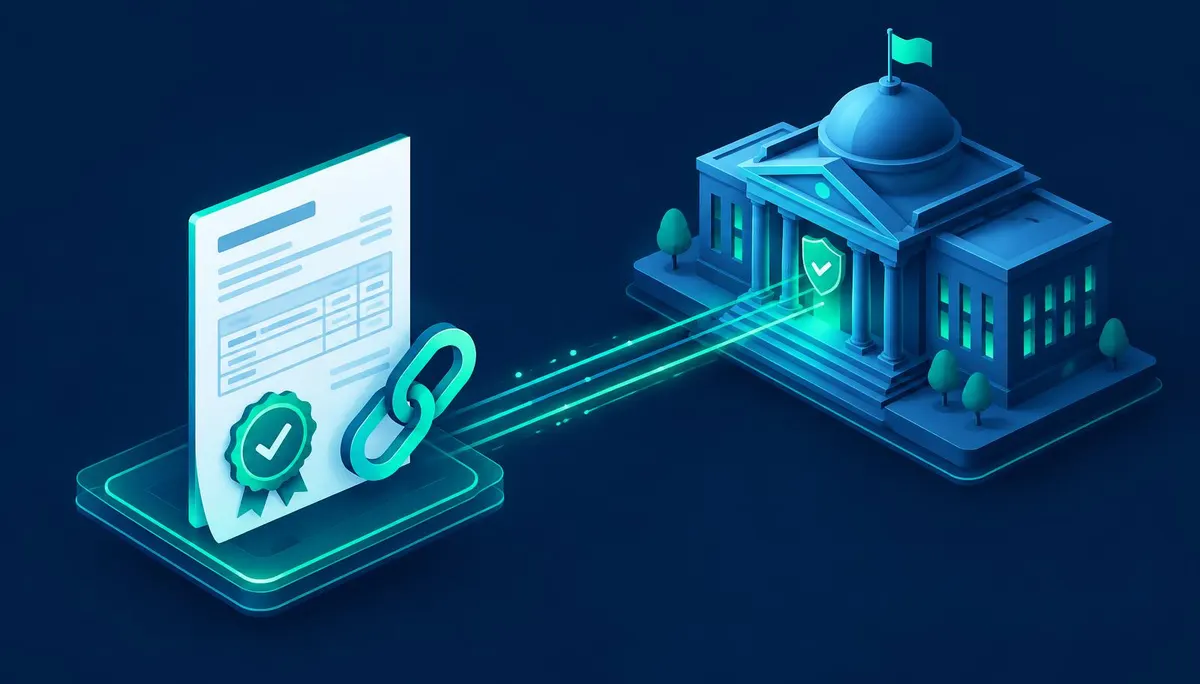
Two different rules you should not confuse
VeriFactu comes from the regulation governing invoicing software systems in Spain, derived from the Anti-Fraud Law. Its goal is that the software used to issue invoices cannot alter them without leaving a trace: each record is chained to the previous one, with a digital fingerprint and a QR code allowing verification.
Mandatory B2B e-invoicing comes from the “Crea y Crece” Law. Its aim is different: invoices between businesses and professionals must be exchanged in a structured format — not a PDF but machine-readable data — and payment status must be reported, to tackle late payment.
In short: VeriFactu is about how the invoice is generated and recorded; e-invoicing is about how it is sent and its payment tracked. A company may need both.
Who each obligation affects
VeriFactu generally affects companies and self-employed people issuing invoices with software, with exceptions such as those already in the Immediate Supply of Information (SII) system or certain regional tax regimes. E-invoicing will affect transactions between businesses and professionals, with different start dates by turnover.
The timelines of both rules have been changed more than once and depend on implementing regulations. That is why we give no fixed dates here: always check the current timeline with the Spanish Tax Agency or your tax adviser before planning. What is certain is that adapting early costs less than rushing.
What VeriFactu requires in practice
- Unalterable records: each invoice creates a record with a chained fingerprint; corrections mean issuing a corrective invoice, not editing.
- A QR code on the invoice allowing the customer to check it on the Tax Agency’s website.
- VeriFactu or non-VeriFactu mode: sending records automatically to the Tax Agency or keeping them with additional security and signature requirements.
- Software certified by its vendor through a responsible declaration that it complies with the regulation.
- The end of spreadsheets and word processors as everyday invoicing tools, because they cannot guarantee the required traceability.
What B2B e-invoicing involves
Invoices will have to be issued and received in accepted structured formats and through exchange platforms, with a public Tax Agency solution as a reference. In addition, recipients will have to report when they accept and when they pay each invoice.
This has a consequence many companies have not yet considered: receiving changes too. Your accounts payable team will receive structured data instead of PDFs, and will have to report statuses it may not even track today. It is a process change, not just a software change.
Let’s start with a repetitive process.
Describe the task, the tools you use and common exceptions. We’ll review what can be connected and where human oversight should remain.
Mistakes we see during preparation
- Assuming it is enough for the software to be “compatible” without reviewing series, corrective invoices and internal flows.
- Keeping invoices issued outside the system — in spreadsheets or templates — for special cases.
- Forgetting integrations: online shops, CRMs or quoting tools that generate invoices on their own must also comply.
- Focusing only on issuing and not preparing reception and payment status reporting.
- Leaving it for the last quarter, when vendors and advisers are swamped.
A five-step adaptation plan
- Inventory: list every point where invoices are issued or received, including integrations and edge cases.
- Software review: confirm with each vendor their responsible declaration and roadmap for e-invoicing.
- Process redesign: define how invoices are approved, corrected and archived, and who reports payment.
- Integration: connect ERP, CRM, shop and bank so data flows without manual copying.
- Testing and training: issue and receive test invoices, review odd cases and train the team before the mandatory date.
From obligation to automation
Once your invoices are structured, reliable data, possibilities that used to be expensive open up: automatically posting received invoices, reconciling payments with the bank, alerting on due dates, spotting duplicates or forecasting cash with real information.
AI remains useful during the transition because, for a while, structured invoices and PDFs from suppliers who have not yet adapted will coexist. A system that reads both and applies the same validation rules avoids running two parallel processes. We explain it in detail in our guide on automating invoices with AI.
Conclusion: adapt once and do it well
VeriFactu and e-invoicing change how invoicing works in Spain, but they also offer a rare chance to tidy up the process end to end. Companies that tackle it early will comply smoothly and gain hours and visibility over collections. This article is informational and does not replace tax advice; to see how your automated flow could look, try our demo or request a free assessment.
See it in action
Walk through a guided demo with fictional data, or tell us your case and we’ll suggest where to start.